— and why that might be the best thing that ever happened to you. By Helen Weaver
I was not born to stand in the spotlight. I know this because the first time I was cast in a school play, they gave me a role specifically designed for someone who couldn’t act and was comfortable upside down. I was a trapeze artist. No lines. Just hanging.
I thought I nailed it.
Clearly not — because the next time, I was cast as “the sound of horses.” Stationed backstage left, just out of sight of the audience, clapping two coconut shells together into the dark.
I had the time of my life.
This is the thing nobody tells you when you’re small: you don’t have to be the lead to belong to the story. The play doesn’t work without the horses. Sometimes the person hidden in the wings, fully committed, utterly unseen, is having the most fun of anyone in the building.
“You don’t have to be the lead to belong to the story.”
The coach who told me the truth
I was terrible at running. Not pleasantly slow — genuinely, embarrassingly bad. I remember venting about this to my PE coach before athletics day, hoping, I suppose, for reassurance. Some version of “keep trying, anything is possible.”
He didn’t give me that. He looked at me and said: “Helen. Somebody has to come last.”
I wasn’t devastated. I was, oddly, relieved. It was the most honest thing anyone had said to me in years. Not cruel — just true. In this specific race, on this specific day, I was coming last. And that was fine. There was room in the world for the person who comes last, and that person still gets to run.
I still teach this lesson in yoga. Every class, every body is deeply capable in one direction and quietly humbled in another. The person folded effortlessly into a forward bend is grimacing in a backbend. The one floating in a handstand falls out of tree pose. We are all, always, somewhere on the spectrum between first and last — and the position changes entirely depending on the race.
What being bad at something actually teaches you
We live in a culture that loves to celebrate what comes easily. We’re told to lean into our strengths, find our zone, double down on what we’re good at. And yes — know your gifts. Know them deeply. But don’t abandon the things you’re mediocre at, because struggle is one of the best teachers available.
Being genuinely not-good-at-something teaches you three things that being good at something rarely can:
Gratitude for what comes naturally. You can’t be properly grateful for a gift you’ve never had to live without.
Patient, steady work. Progress measured in millimetres is progress that teaches you how to persist.
The capacity to cheer for others. When you know what it costs to be bad at something, you stop being threatened by someone who’s brilliant at it. You become able to just admire them.


You are amazing at something — and average at a lot of other things
Both of these things are true. Both are okay. The trouble starts when we only allow ourselves to show up for the things we’re already good at, and quietly withdraw from everything else. That’s how you end up living a very small life in a very narrow lane.
Say yes to the things you don’t know you can do yet. Show up for the race you’re going to finish last. Take the role that doesn’t have any lines. Be the sound of horses.
You might find you have the most fun of anyone in the building.
Where I’ve landed
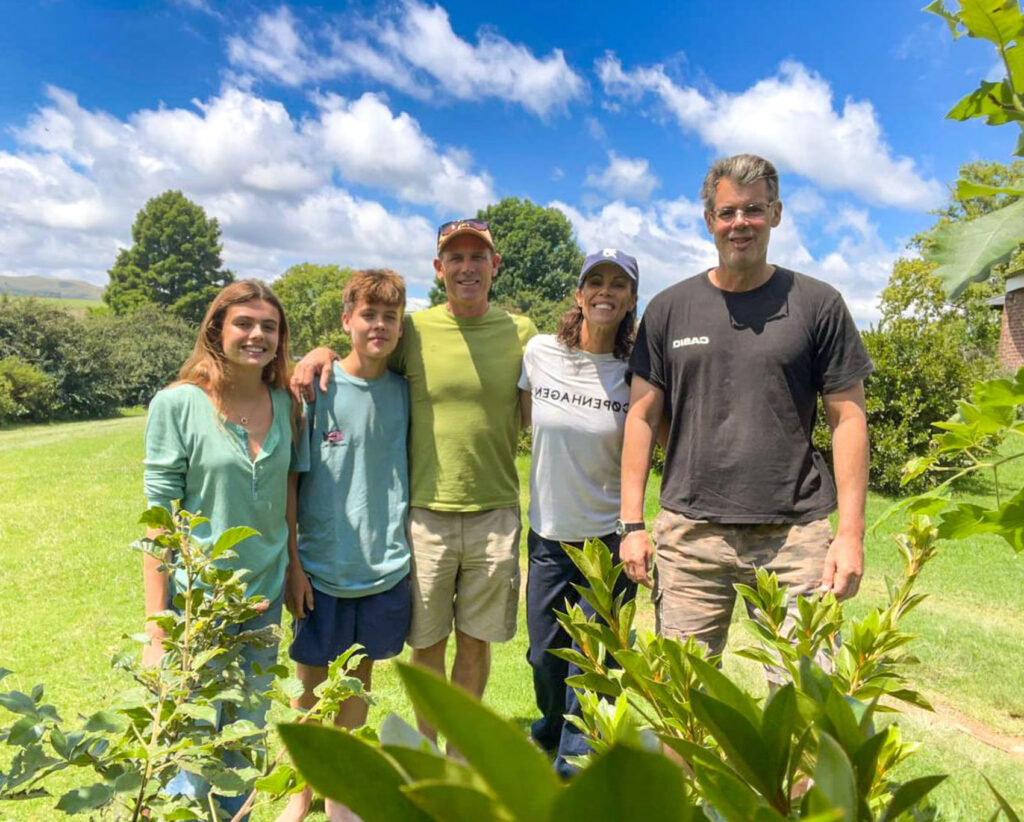
I live off-grid on the east coast of South Africa. I grow things and swim in the ocean and teach yoga and raise two teenagers who think I’m at least slightly feral. I work with people all over the world, often over Zoom, helping them find a quieter and more honest relationship with themselves. My life looks nothing like any version I could have planned for, and I wouldn’t swap a day of it.
Somewhere along the way, I stopped competing. Not because I lost — but because I noticed the race itself was the thing making me smaller. The measuring, the comparing, the quiet tallying of where you sit in relation to everyone else. I let that go. And the space it left behind was enormous.
What I know now is that “somebody has to come last” was only the beginning of the lesson. The full version is this: you don’t actually have to be in the race at all. You can just show up, do the thing, feel the thing, love the thing — and leave the scoreboard entirely out of it.
Helen Weaver is a yoga teacher, Akashic Records guide, and spiritual mentor based off-grid on the east coast of South Africa. She works with clients globally at helenweaver.co